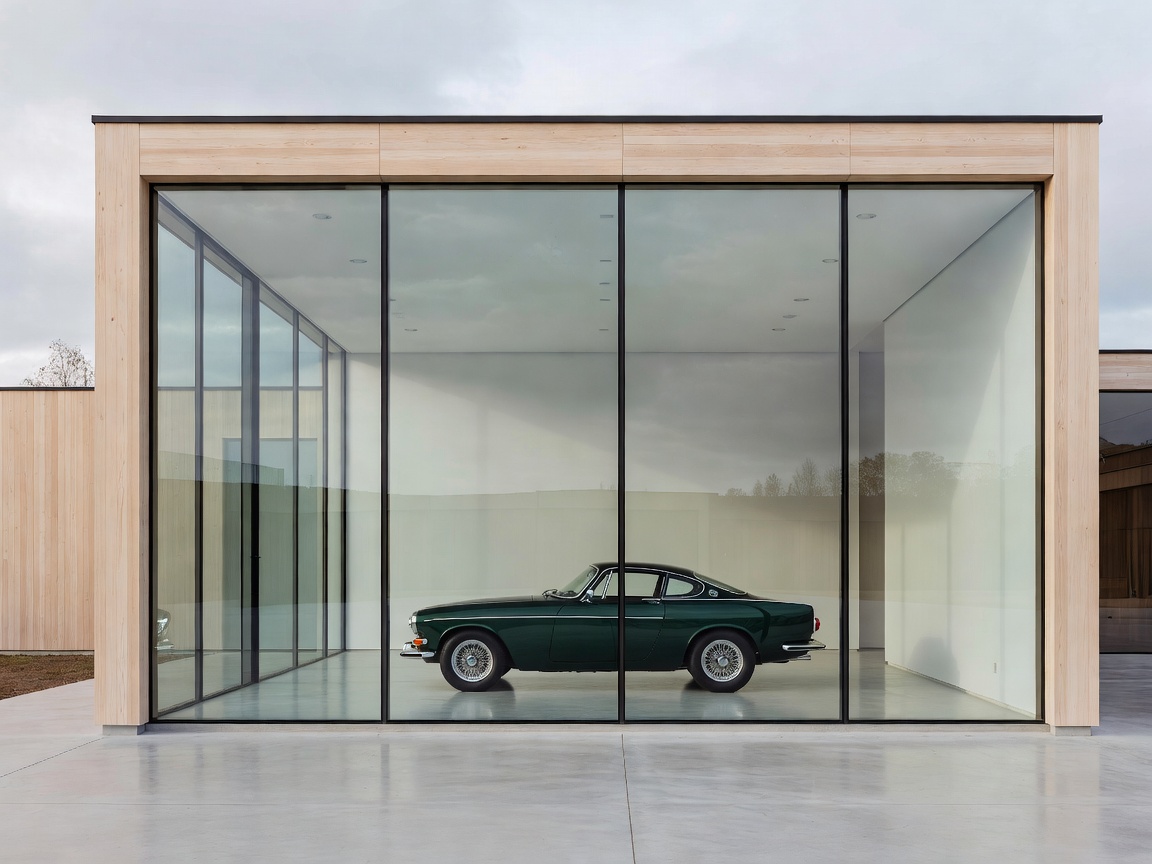
Different institutions, different collecting logic
“Car museum” describes several kinds of place. A national or public institution may interpret transport as part of industrial, social or design history. A regional museum may focus on local mobility, a former workshop, a transport company or vehicles associated with its area. A marque-focused collection follows one manufacturer or a related group of makes. A private collection may be built around an owner’s interests and may have limited public access.
These models are not a quality ranking. They produce different visits. Public institutions often provide a broader historical frame and established visitor information. Specialist or privately assembled collections can offer unusual depth in a narrow subject, but access and interpretation may vary. Confirm whether a collection is open to general visitors or requires an appointment. Never assume that a listed collection has regular public hours.
Regional differences matter. Local climate, industry, road networks and patterns of ownership shape what is preserved and collected. A collection with a small, coherent group of vehicles may explain its subject more clearly than a larger display without a strong interpretive structure.
Look beyond vehicle count
Count alone says little about the visitor experience. Check how the museum connects vehicles to their makers, users and period. Read the available description of its collecting scope. Look for labels that explain design decisions, production context, adaptations and changes in use. Technical information is useful, but it becomes more meaningful when connected to people and place.
Vehicle presentation also signals curatorial choices. A car shown in a period setting communicates differently from one presented as a design object or engineering specimen. Ask whether displays distinguish original material from later work, and whether the museum explains uncertainty. Responsible interpretation makes clear what is documented and what remains unknown.
- Scope: Is the collection national, regional, marque-based or thematic?
- Context: Do displays explain use, production and social history?
- Evidence: Are dates, histories and restoration claims attributed or qualified?
- Access: Are visitor arrangements and photography rules stated?
Beyond passenger cars
Automotive heritage includes commercial vehicles, motorcycles and mixed transport collections. Trucks, buses, service vehicles and work machines can show how goods and people moved, how businesses operated and how technology served specific conditions. Motorcycle displays provide another view of engineering, design and everyday mobility. Mixed-vehicle museums may connect these subjects in one place or keep them in separate galleries.
Motorsport-related material can appear within a broader museum or as a specialist subject. A racing vehicle is easier to understand when the exhibition explains its role, technical rules and operating context. Avoid assuming that every sports or competition car signals a motorsport collection. Check the published scope and current display notes before making a trip for a particular vehicle.
Preservation and interpretation
Museums preserve vehicles in different ways. Some examples are restored for display; others retain age, use marks or incomplete finishes as evidence. A conservation-led approach may prioritize stability and surviving material over a showroom appearance. Neither visible polish nor patina proves authenticity on its own. Seek explanations of what has been repaired, replaced or retained.
Interpretation can include archive documents, photographs, component displays, workshop tools and oral histories. These elements help visitors understand how a vehicle was designed, maintained and used. A well-structured label need not be long. It should answer relevant questions without presenting uncertain claims as settled fact.
Practical visit planning
Start with the official museum source. Confirm opening days, seasonal operation, ticket arrangements, access requirements, photography rules and whether the vehicle or gallery you want to see is on display. Information can change. A collection’s general description does not guarantee that each vehicle is accessible to visitors at all times.
Allow time for the museum’s full context, not only a preferred model. Check location and transport options against your route. For a private collection, request access in advance and wait for a clear response before building the visit into a fixed itinerary. Identify a second destination or flexible activity in case access changes.
Good for
Visitors who want to compare public institutions, local transport history, specialist themes or mixed-vehicle displays. It also helps first-time planners choose a museum by subject rather than by collection size.
What to know
- Opening information and displayed vehicles can change.
- Private collections may require an appointment or may not admit general visitors.
- Vehicle count is not a substitute for clear scope, evidence and interpretation.
Compare these guides
Use Classic Car Collections to read provenance and preservation choices. The Exhibitions & Vehicles guide covers interpretation and layout. For route checks, open the Scandinavian Car Trip Planner.
NEXT ACTION / ROUTE