Layout creates a reading path
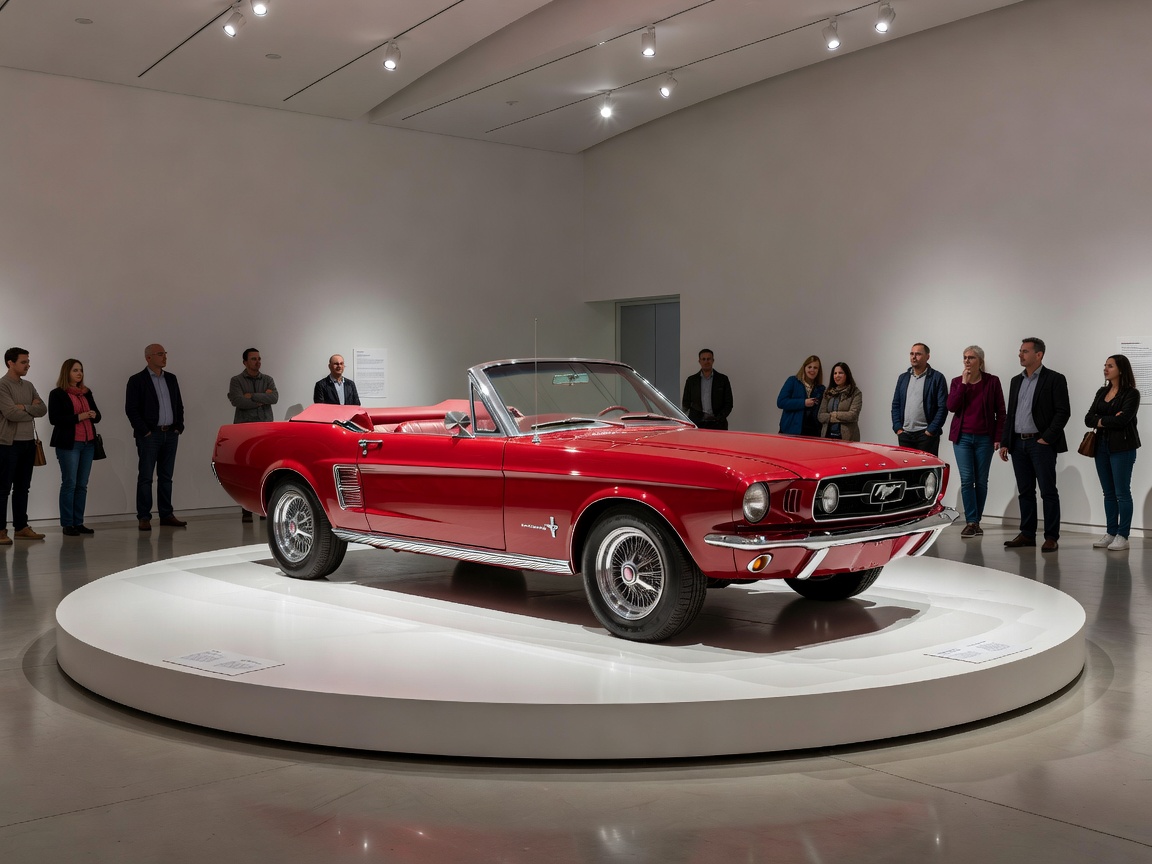
A gallery is an argument made in space. A chronological line suggests development over time. A group arranged around a theme invites comparison. A single vehicle with generous space can signal focus, while a dense row may emphasize breadth, production or accumulation. None of these formats explains itself automatically; labels, sightlines and supporting material supply context.
Look for the order in which a visitor encounters objects. Is the starting point clear? Can someone move through the gallery without crossing back repeatedly? Are important vehicles visible from more than one angle, or does the arrangement restrict access? Barriers protect objects, but their placement can affect the view. A clear route helps visitors with different movement speeds share the space.
Vehicle scale complicates gallery planning. A large commercial vehicle may dominate sightlines and require wide circulation. Smaller objects need viewing positions that do not block neighboring displays. Thoughtful spacing gives visitors room to inspect details while protecting the object and preserving accessible routes.
Lighting and visual attention
Lighting highlights surfaces, shapes and details. Directional light can clarify body contours or a dashboard, while even illumination supports reading labels. Glare on glass and bright reflections from paint can make detail harder to see. Low light may protect sensitive materials or create atmosphere, but it should not make text or access routes difficult to use.
Light levels are part of collection care as well as exhibition design. Materials respond differently to exposure, so a museum’s lighting choices may reflect conservation needs. Visitors do not need to infer the technical standard from appearance. The useful question is whether the display balances object care, visibility and comfortable reading.
Information panels and technical displays
Effective interpretation starts with a clear point. A short label can identify a vehicle, place it in context and explain why it is included. Technical specifications are useful when they answer a visitor’s question or support a comparison. A list of figures without explanation can obscure the relationship between design and use.
Look for distinctions between confirmed facts, interpretation and uncertainty. Dates, ownership history, model descriptions and restoration claims should not imply evidence that the museum has not presented. Supporting photographs, maps, period documents or components can make abstract information tangible. A cutaway or mechanical display is most useful when its purpose is explained, not simply placed beside a car.
Text accessibility matters. Contrast, type size, line length, translation and placement all affect who can use an exhibition. Labels should be readable from a comfortable position where possible. Digital elements should have an alternative route to essential information for visitors who cannot or do not wish to use a screen.
Interactive and rotating displays
Interactive features can support learning through comparison, sound, handling replicas or digital records. They should add information rather than interrupt the route. A feature that requires a long wait or is difficult to operate can create a bottleneck. Check whether core interpretation remains available without using it.
Rotating exhibitions allow a museum to change themes, show material from storage or focus on one aspect of a larger collection. Rotation also means that a particular vehicle or gallery may not be on view during a planned visit. Treat a museum’s general collection description as an overview, not a guarantee of current display. Verify current exhibition information through official channels before travelling.
Visitor flow, access and photography
Look for clear transitions between galleries, seating where appropriate, step-free routes and enough turning space. Accessibility is broader than entrance access. Label heights, audio information, resting points and the ability to approach a display affect the visit. Consult the institution directly about specific requirements; online descriptions may not cover every condition.
Photography rules vary by institution and by object. Flash, tripods, commercial use or photography of certain displays may be restricted. Respect signs and staff guidance. Avoid blocking circulation or other visitors’ views. If photography is not permitted, a written record of display themes and vehicle details can still support later research.
Good for
Visitors who want to understand not only which vehicles are shown, but how the exhibition builds a historical argument. It is useful for design, engineering and museum interpretation interests.
What to know
- Display layouts and rotating exhibitions can change.
- Lighting and barriers can reflect collection-care requirements.
- Confirm access arrangements and photography rules with the institution.
Related reading
Start with Scandinavian Car Museums to compare institution types. Explore Classic Car Collections for curation choices. The trip planner covers current-information checks.
NEXT ACTION / VISIT